University-Wide Sustainability and SDG Education Policy
- Institutional Commitment
Policy Title: NGU University-Wide Sustainability and SDG Education Policy
Effective Date: January 2024 | Approved by: University Council | Review Cycle: Biennial.
Newgiza University (NGU) has a formal, university-wide policy that embeds sustainability and SDG education across all academic programs. This institutional framework ensures that every student, regardless of discipline, acquires knowledge, skills, and values that promote sustainable development, aligning with the UN 2030 Agenda.
- Meaningful SDG Education in Action
a. Mandatory SDG Lecture:
As part of NGU’s commitment to providing meaningful education about SDGs to all students, a mandatory lecture is delivered to Year 1 students across all schools aiming to acquaint them with the 17 SDGs and emphasize their relevance to global and local challenges. The lecture encourages students to recognize their role in promoting sustainability according to their field of study. This initiative ensures that every student begins their academic journey with a strong foundation in the SDGs, reflecting the university’s commitment to embedding sustainability principles across teaching and learning, and fostering a positive impact on the wider community.
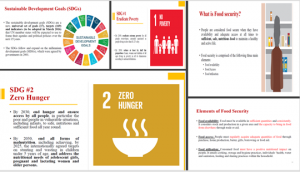
b. Awareness Lectures on Sustainability and SDGs:
A cross-disciplinary lecture titled “Climate Change and Global Health – Preparedness and Response” by Dr. Radwa Ewaisha (School of Pharmacy) explored the intersection of climate change and public health, emphasizing individual accountability and sustainability-driven decision-making.
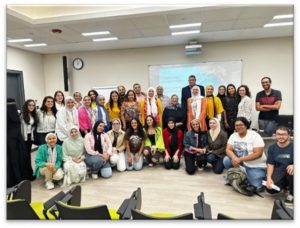
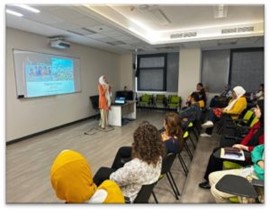
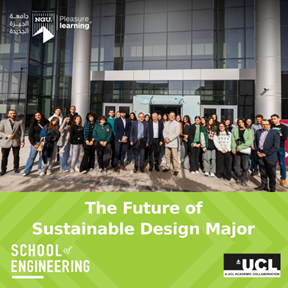
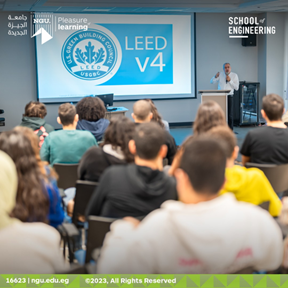
The School of Engineering (SOE), Architecture Program, hosted Eng. Karim Farah, Architect and LEED Fellow, who delivered a session on LEED and EDGE Certification. Eng. Farah highlighted sustainable architectural design and material efficiency. This lecture formed part of the Major Awareness Sessions introducing students to the Sustainable Design Track within the Architecture Program and to SDG 11: Sustainable Cities and Communities.
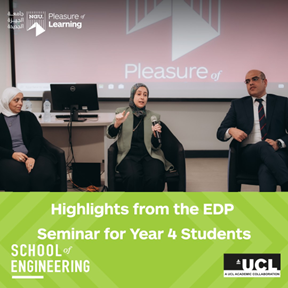
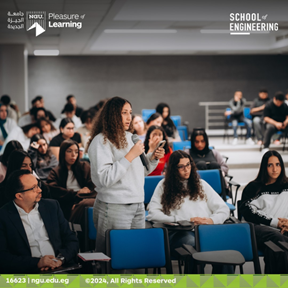
The School of Engineering (SOE) seniors had an interesting session featuring leading industry experts discussing project solutions to sustainable urban development issues. The panelists included esteemed speakers Prof. Heba Khalil, senior coordinator of the Architectural Engineering and Technology Program at the Faculty of Engineering, Cairo University, Dr. Sarah El Erian, Edge expert, Dr. Nahla Mourad, researcher at the Housing and Building National Research Center, and Eng. Anas Abdelhafez, Smart Cities Director at the National Telecommunications Regulatory Authority (NTRA). This seminar provided our students with essential perspectives on creating sustainable cities and communities. The discussions were enlightening and sparked great conversations about the future of smart cities and urban living.
c. Experiential Student Learning:
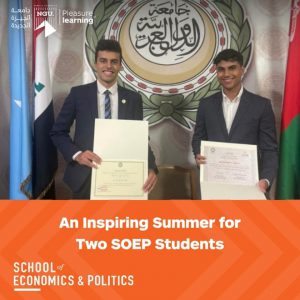
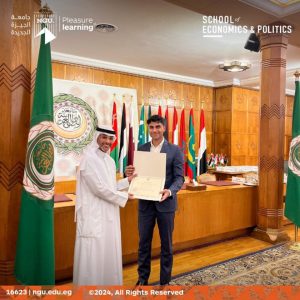
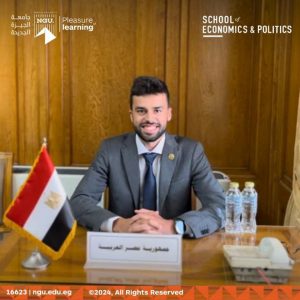
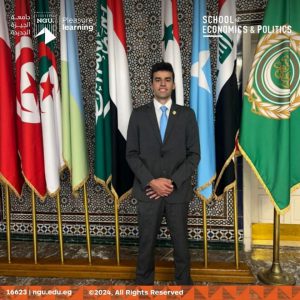
Amr Said and Youssef Hany, students from the School of Economics and Politics (SOEP), completed internships at the Sustainable Development Department, League of Arab States, and participated in the Third Arab Youth Parliament Simulation, emphasizing individual accountability and sustainability-driven decision-making.
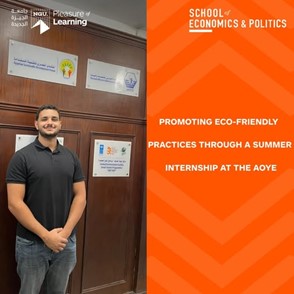
Omar Moghazy (SOEP) interned at the Arab Office for Youth and Environment (AOYE), contributing to:
- Environmental education and public awareness programs.
- Nile River clean-up campaigns promoting community participation in sustainability.
- Design of eco-friendly initiatives to reduce environmental impact.